Bubble Art: A Playful Display Font That Adds Street-Style Pop to Handmade Products
I was standing in front of my craft desk last Tuesday, staring at a fresh sheet of matte sticker paper that had just rolled out of the printer. The design was simple—a collection of round candle labels for a small spring release I had been tinkering with for weeks. The wax was poured, the scents were tested, and the jars were clean. But the labels. The labels had been the hold-up. Something was missing until I swapped the standard sans serif title for Bubble Art. Suddenly the whole jar felt different. It felt alive. The font carried this buoyant, street-inspired energy that made the label feel less like packaging and more like a tiny piece of art you would want to keep on your counter.
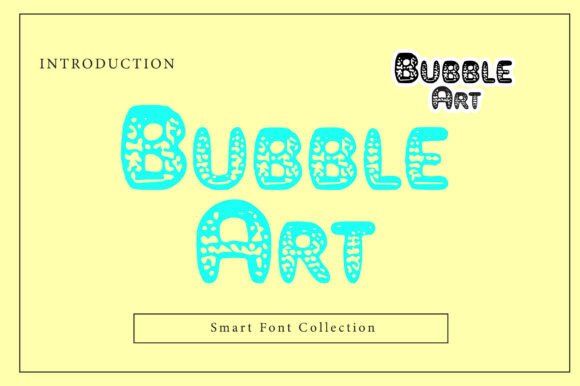
That is exactly what a good display font should do. Bubble Art belongs to a family of typefaces that do not just spell out words; they give words a personality, a texture, a mood. This one leans hard into explosive, graffiti-adjacent charm with a softness that keeps it approachable. Think bold curves, rounded edges, and a rhythmic bounce that mimics hand-pulled lettering but with the polish of modern typography. It is the kind of font that makes you want to design something just so you can see it printed.
The First Time You See Bubble Art on a Product Mockup
If you make physical products or printables for a living, or even just for the joy of it, you know the moment I am talking about. It is that split second when a design mockup shifts from fine to finished. I had that moment when I pulled Bubble Art onto a digital greeting card template I had been building for a summer birthday collection. The card featured a hand-drawn balloon cluster on the front, and I needed a short headline that felt like it was shouting in the most cheerful way possible. Bubble Art sat perfectly inside the composition. The rounded letterforms echoed the balloons. The slight irregularity in the baseline gave it a handcrafted warmth, even though everything was typed cleanly on screen.
That is the thing about this typeface—it feels surprisingly tactile. For a display font with such a loud, street-style attitude, it still manages to feel intimate. It does not overwhelm a design unless you want it to. On a sticker sheet, it becomes the anchor piece. On a tote bag mockup, it reads like a statement. On a product label, it turns functional text into a design feature. This versatility is something I have learned to look for over years of testing fonts for packaging, printable wall art, and event stationery. Most decorative fonts are good at one thing. Bubble Art is good at many things, as long as you use it with intention.
Where Bubble Art Shines in a Handmade Shop
I have spent enough late nights printing samples and trimming card stock to develop strong opinions about which fonts work where. Bubble Art is not your all-purpose workhorse—and it should not be. It is a display font, and it thrives in short bursts of creative expression. Here is where it consistently delivers for makers and printable creators.
Product labels, especially for candles, bath salts, room sprays, and small-batch skincare, benefit enormously from the font's expressive energy. A candle label with Bubble Art as the scent name or brand tagline instantly signals that the product is playful, modern, and crafted with personality. When paired with clean sans serif details for ingredients or volume, the contrast looks intentional and polished.
Greeting cards and invitations are another natural home. Birthday party invites, bridal shower details, graduation announcements, and even casual holiday cards all benefit from the bounce and warmth of this typeface. I recently mocked up a set of Valentine's Day classroom cards for a friend who sells printable party goods, and Bubble Art carried the entire design with just a short two-word message. The letters felt like they were practically bouncing off the cardstock.
Stickers and decals deserve special mention because this font cuts beautifully on both Cricut and Silhouette machines at moderate sizes. The rounded letterforms are forgiving during the weeding process, which anyone who has lost an delicate serif to a sticky mat will appreciate. I have tested Bubble Art on kiss-cut sticker sheets and full-cut single stickers, and the results hold up well at sizes above about three-quarters of an inch. Smaller than that, and the texture starts to close up, which is a practical note worth remembering.
Printable wall art, planner pages, boutique tags, and packaging design all tap into the same visual strengths. A short inspirational quote printed at 8x10 inches with Bubble Art as the hero text and simple serif details for the attribution creates an instant focal point in a gallery wall layout. On hang tags for clothing or handmade accessories, the font doubles as a brand mark without feeling corporate or stiff.
Digital downloads, including social media graphics, template previews, and Etsy listing images, also pair well with Bubble Art when you need text that grabs attention in thumbnail sizes. The bold weight and generous counters keep the words legible even when scaled down for mobile browsing, which is a practical advantage that matters when a buyer is scrolling through dozens of listings.
How a Display Font Changes the Way a Product Feels
Typography is one of those invisible forces in product design that customers rarely name but always feel. Swap a cold geometric sans serif for something like Bubble Art, and the entire emotional temperature of a product shifts. A candle label goes from clinical to cozy. A wedding welcome sign goes from formal to friendly. A sticker pack goes from generic to curated.
This happens because display fonts carry cultural associations that bleed into whatever surface they touch. Bubble Art specifically pulls from street art, comic lettering, and candy packaging, so it taps into nostalgia, joy, and irreverence all at once. For a small shop owner, that emotional shorthand is valuable. It means the font is doing part of the storytelling before the customer even reads the word.
Brand consistency is another factor that often gets overlooked in the early stages of building a product line. Choosing a signature display font like Bubble Art for your titles, taglines, or logo lockup creates a repeatable visual thread across packaging, product photography, social media posts, and shop banners. Over time, customers begin to recognize that bouncy lettering as part of your brand identity, which builds trust and repeat engagement. This is not about chasing trends. It is about finding a typeface that authentically matches the energy of what you make and using it consistently enough that it becomes part of your visual signature.
Readability and Production Realities
I have learned through plenty of mistakes that a font that looks incredible on screen does not always translate perfectly to physical products. Bubble Art performs well in most production scenarios as long as you respect its nature as a display font. It is not meant for long blocks of text. Paragraphs set in Bubble Art become visually exhausting because the texture and weight demand attention with every letter. Short phrases, names, titles, dates, and decorative wording are where it thrives.
For cutting machines, size matters. I have had the best results with Bubble Art when titles or short quotes are set at one inch or taller for adhesive vinyl projects. The smooth, rounded strokes peel cleanly and release from the carrier sheet with minimal resistance. For cardstock projects, the same rules apply—bold shapes cut more reliably than thin lines, and Bubble Art's generous proportions work in the maker's favor here.
When printing on textured paper, such as kraft labels, cotton cardstock, or linen finish sheets, the font maintains legibility because of its heavy weight and open letter shapes. Finer details that would disappear into paper texture with a lighter font remain crisp and readable. This makes it a solid choice for rustic or handmade aesthetic products where the paper itself is part of the design.
On glossy sticker paper, clear labels, or shimmer vinyl, Bubble Art holds strong contrast against busy backgrounds, which is useful when designing for product packaging that includes illustrated elements or photographic patterns beneath the text.
Font Pairing Ideas That Work for Product Design
Every display font needs a reliable partner, and Bubble Art is no exception. The goal with pairing is contrast without conflict—something clean and restrained that lets the display font do its job without competition. I tend to reach for a simple sans serif font with even stroke width and neutral proportions. Something that fades into the background so bubble art can pop.
For candle labels, I pair Bubble Art titles with a lightweight sans serif for scent descriptions and volume information. The combination reads as intentional and balanced. For wedding signage and invitation suites, a delicate script font paired with Bubble Art creates a lovely high-low dynamic where the bounce of the display font offsets the elegance of formal scripts beautifully.
Greeting cards and party printables often benefit from a third layer—a simple serif font for interior messages or secondary details that need to feel warm but readable. Bubble Art dominates the exterior or front-facing text, while the serif picks up the quiet work inside.
For planner pages and sticker kits, I keep the functional text in a clean handwritten or neutral sans serif font and reserve Bubble Art for section headers, month names, or highlight words. This keeps the page scannable while still injecting personality into the layout.
The most important rule I follow is letting Bubble Art be the star of the composition whenever it appears. When too many decorative fonts compete for space, the design loses focus and the product feels chaotic. A single expressive typeface, supported by quiet structural fonts, almost always produces a more professional result.
Practical Considerations Before You Sell
If you are planning to use Bubble Art in products you sell—whether physical goods, printed items, templates, SVG files, or digital downloads—there are a few technical details worth checking before you invest time in full production. Start by confirming the included styles, weights, and file formats so you know whether you are getting OpenType features like ligatures, alternates, or swashes that can add extra polish to your designs. These small typographic details can elevate a product from basic to boutique without additional effort.
Multilingual support is another practical concern for sellers who ship internationally or create designs for diverse audiences. Check the character set to make sure accent marks and special characters are covered if you plan to offer products in multiple languages.
And crucially, verify the commercial font licensing terms. Most display fonts, including Bubble Art, have specific allowances for physical product use, digital downloads, and merchandise. A standard desktop license might cover printed labels and cards, but selling editable templates or embedding the font into SVG cut files often requires an extended license. Taking a few minutes to read through the licensing terms before listing products in your shop protects you and supports the type designers who create these tools.
I have made it a habit to keep a small folder of font licenses and receipts on my computer, organized by usage type. It saves headaches later when a product takes off unexpectedly and I need to confirm that my commercial use is covered.
A Small Batch Story Worth Telling
There is something rewarding about watching a font like Bubble Art move from a test print to a finished product sitting on a shelf or wrapped in tissue paper. I think about the last batch of spring candle labels I made, the ones that finally clicked when Bubble Art landed in the design file. Those labels went onto jars filled with a honey-blossom wax blend, and the finished product looked like something you would find in a cheerful boutique window. That is the goal, really. Not perfection, just presence. A little personality printed clean and proud on a label, a sticker, a card. That is what a great display font brings to the table, and that is exactly where Bubble Art shines brightest.